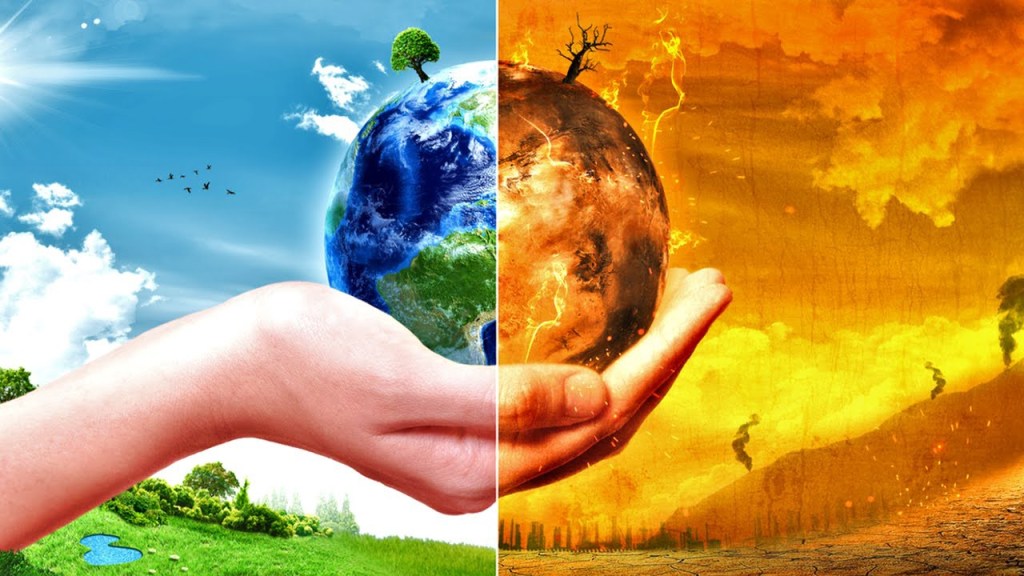
Global warming is a phenomenon of climate change characterized by a general increase in average temperatures of the Earth, which modifies the weather balances and ecosystems for a long time. It is directly linked to the increase of greenhouse gases in our atmosphere, worsening the greenhouse effect.
In fact, the average temperature of the planet has increased by 0.8º Celsius (33.4° Fahrenheit) compared to the end of the 19th century. Each of the last three decades has been warmer than all previous decades since the beginning of the statistical surveys in 1850.At the pace of current CO2 emissions, scientists expect an increase of between 1.5° and 5.3°C (34.7° to 41.5°F) in average temperature by 2100. If no action is taken, it would have harmful consequences to humanity and the biosphere.

Here are some consequences that are documented in the Intergovernmental Panel on Climate Change Special Report on Global Warming:

1.On biodiversityThe increase of temperatures and the climate upheavals disturb the ecosystems, modify the conditions and cycles of plant reproduction. The scarcity of resources and climate change are changing life habits and migratory cycles of animals. We are already witnessing the disappearance of many species – including endemic species – or, conversely, the intrusion of invasive species that threaten crops and other animals.Global warming therefore impacts biodiversity. It is the balance of biodiversity that is modified and threatened. According to the IPCC, a 1.5°C (34.7°F) average rise might put 20-30% of species at risk of extinction. If the planet warms by more than 2°C, most ecosystems will struggle.

2.On oceansBecause of global warming, permafrost and ice are melting massively at the poles, increasing the sea level at a rate never known before. In a century, the increase reaches 18 cm (including 6 cm in the last 20 years). The worst case scenario is a rise of up to 1m by 2100.The acidification of the oceans is also of great concern. In fact, the large amount of CO2 captured by the oceans makes them more acidic, arousing serious questions about the adaptability of seashells or coral reefs.
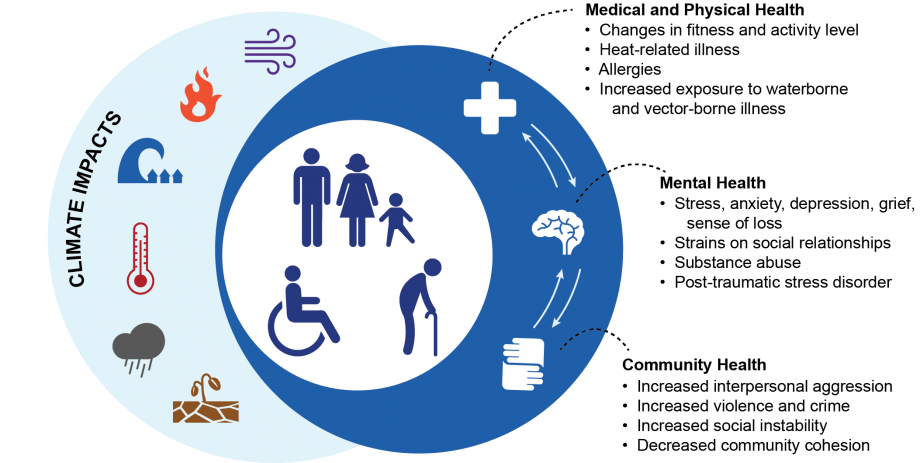
3.On humansHuman beings are not spared by these upheavals. Climate change is affecting the global economy. It is already shaking up social, health and geopolitical balances in many parts of the world. The scarcity of resources like food and energy gives rise to new conflicts.Rising sea levels and floods are causing population migration. Small island states are in the front line. The estimated number of climate refugees by 2050 is 250 million people.
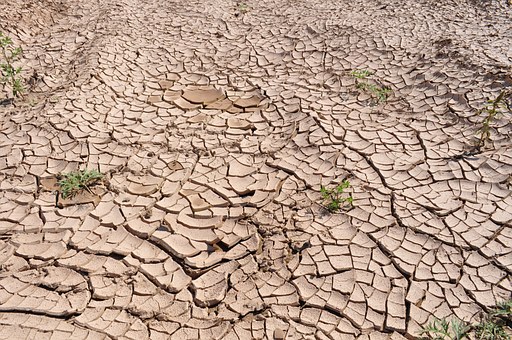
4.On the weatherFor decades now, meteorologists and climatologists around the world have been watching the effects of global warming on the weather phenomena. And the impact is huge: more droughts and heatwaves, more precipitations, more natural disasters like floods, hurricanes, storms and wildfires, frost-free season, etc.
 GlobalWarming